

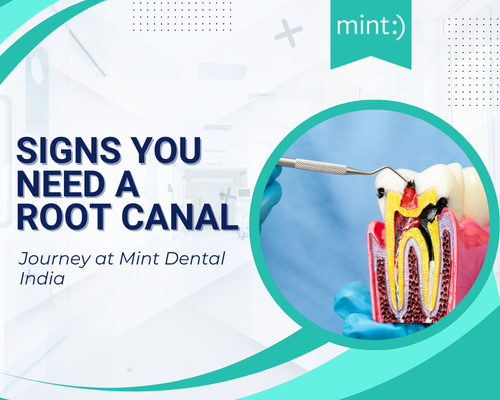
Many people associate root canal treatment with severe tooth pain and dental emergencies. However, waiting until the pain becomes unbearable can lead to more complications, discomfort, and expensive treatments. Recognizing the early signs that you may need a root canal can help save your natural tooth and prevent the infection from spreading.
A root canal treatment is a procedure that removes infected or damaged pulp from inside the tooth, cleans the area, and seals it to protect the tooth from further damage. Modern dentistry has made root canal procedures safe, comfortable, and highly effective.
Let's understand the warning signs that indicate you may need a root canal before it becomes a dental emergency.
1. Persistent Tooth Pain
One of the most common signs of a tooth infection is ongoing tooth pain. The discomfort may come and go or remain constant throughout the day. You may feel pain while eating, drinking, or even when you're not using the tooth.
The pain can range from mild to severe and may spread to your jaw, face, or nearby teeth. If a tooth continues to hurt for several days, it is important to get it checked by a dental professional as soon as possible.
2. Sensitivity to Hot and Cold Foods
Do you experience a sharp pain when drinking hot coffee or eating ice cream? Temporary sensitivity is common, but if the pain lingers long after the hot or cold item is removed, it may indicate damage to the tooth pulp.
Persistent sensitivity often suggests that the nerves inside the tooth are inflamed or infected. Early diagnosis can help prevent further damage and may save the tooth from extraction.
3. Swollen or Tender Gums
Swelling around a specific tooth is another warning sign that should never be ignored. Infected teeth can cause the surrounding gums to become red, swollen, and tender to touch.
Sometimes, a small pimple-like bump called a dental abscess may appear on the gums. This bump may release pus and create an unpleasant taste in your mouth. Such symptoms usually indicate an infection that requires immediate dental attention.
4. Tooth Discoloration
A tooth that becomes darker than the surrounding teeth may be signaling a problem inside the tooth. Damage to the pulp can reduce blood flow to the tooth, causing it to appear grey, brown, or dark yellow.
While tooth discoloration can have several causes, a sudden change in the color of a single tooth should be evaluated by a dentist promptly.
5. Pain While Chewing or Biting
If you feel discomfort when biting down on food or applying pressure to a tooth, the nerve inside the tooth may be inflamed or infected.
Pain during chewing can also indicate a crack, deep cavity, or infection that has reached the inner layers of the tooth. Delaying treatment may worsen the condition and increase the risk of losing the tooth.
6. Deep Decay or Large Cavities
Not all cavities cause pain immediately. A deep cavity can silently progress until it reaches the tooth pulp. Once bacteria enter the pulp chamber, infection develops and a root canal may become necessary.
Regular dental checkups help identify deep decay early, allowing treatment before significant damage occurs.
7. A Chipped or Cracked Tooth
A cracked or chipped tooth can expose the inner tissues to bacteria. Even if the crack seems small, it can allow infection to develop inside the tooth.
Trauma from accidents, sports injuries, or biting hard foods can lead to internal tooth damage that may require root canal treatment.
Why Early Treatment Matters
Ignoring the signs of an infected tooth can allow bacteria to spread deeper into the root and surrounding bone. As the infection worsens, it can lead to severe pain, swelling, abscess formation, and even tooth loss.
Seeking treatment early offers several benefits:
- Preserves your natural tooth
- Prevents infection from spreading
- Reduces pain and discomfort
- Avoids more complex procedures
- Saves time and treatment costs
Don't Wait for a Dental Emergency
If you are experiencing any of these warning signs, it is important to seek professional dental care without delay. Early diagnosis and treatment can make a significant difference in protecting your oral health and preserving your natural smile.
Book Your Appointment Today with Expert Doctors
At Mint Dental Clinic, your dental health is our priority. Dr. Khushboo Ronak Khokhani and Dr. Ronak Mukesh Khokhani provide comprehensive dental care using modern technology and patient-focused treatment approaches.
Contact us today and schedule your consultation before a minor dental problem turns into a painful emergency.
Frequently Asked Questions
1. How do I know if I need a root canal?
Common signs include persistent tooth pain, sensitivity to hot and cold foods, swollen gums, tooth discoloration, and pain while chewing.
2. Is a root canal painful?
Modern root canal treatment is generally comfortable. Local anaesthesia ensures that patients experience minimal discomfort during the procedure.
3. Can a tooth infection heal on its own?
No. A tooth infection usually requires professional dental treatment. Delaying care can cause the infection to worsen.
4. How long does a root canal procedure take?
Most root canal treatments can be completed in one or two appointments, depending on the condition of the tooth.
5. Can a root canal save my natural tooth?
Yes. The primary goal of root canal treatment is to remove infection and preserve your natural tooth whenever possible.
6. What happens if I delay a root canal?
Delaying treatment can lead to severe pain, abscess formation, bone loss, and eventually tooth extraction.