

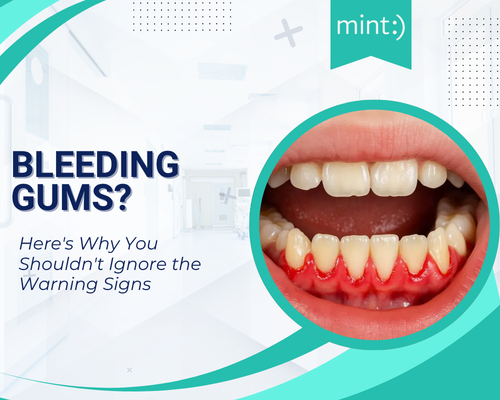
Have you noticed blood while brushing your teeth or flossing? Many people think bleeding gums are normal, but they are not. Bleeding gums are often the first sign that something is wrong with your oral health. Ignoring this problem can lead to serious dental issues, including gum disease, tooth loss, and infections.
At Mint Dental Clinic, we help patients of all ages maintain healthy teeth and gums with advanced dental care. If you are looking for the Best Dentist for Bleeding Gums in Dadar, our experienced dental team is here to help you with the right diagnosis and treatment.
Why Do Gums Bleed?
Healthy gums should not bleed while brushing or eating. If you notice blood regularly, your gums are trying to tell you that they need attention. Some common reasons for bleeding gums include:
- Poor oral hygiene
- Plaque and tartar buildup
- Gum infection
- Gingivitis (early gum disease)
- Periodontal disease
- Brushing too hard
- Vitamin deficiencies
- Smoking or tobacco use
- Hormonal changes during pregnancy
In many cases, bleeding gums are caused by plaque that builds up around the teeth. If plaque is not removed, it hardens into tartar, leading to irritation and infection.
Early Warning Signs You Should Never Ignore
Bleeding gums usually don't happen alone. Watch out for these Periodontal Disease Symptoms:
- Bleeding while brushing or flossing
- Red or swollen gums
- Tender or painful gums
- Bad breath that doesn't go away
- Receding gums
- Loose teeth
- Pain while chewing
- Pus around the gums
What Happens If You Ignore Bleeding Gums?
Many people wait until they feel pain before visiting a dentist. Unfortunately, gum disease often develops without severe pain in the early stages. Ignoring bleeding gums can lead to:
Gingivitis
This is the first stage of gum disease. The gums become swollen, red, and bleed easily. The good news is that gingivitis can usually be treated completely with professional cleaning and good oral hygiene.
Periodontitis
If gingivitis is not treated, it can develop into periodontitis — a serious infection that damages the gums and the bone supporting your teeth. It can cause:
- Gum recession
- Tooth mobility
- Bone loss
- Tooth loss
- Long-term oral health problems
Early treatment can prevent these complications.
How Dentists Diagnose Gum Problems
At Mint Dental Clinic, your dentist will carefully examine your gums and teeth. The examination may include:
- Checking for swelling and bleeding
- Measuring gum pockets
- Looking for plaque and tartar
- Digital dental X-rays if needed
- Evaluating bone support around the teeth
Finding the exact cause helps us provide the most effective Gum Infection Treatment.
Gum Infection Treatment
The treatment depends on how severe the infection is.
Professional Dental Cleaning
If the problem is in the early stage, a professional cleaning removes plaque and tartar from above and below the gum line.
Scaling and Root Planing
This deep cleaning procedure removes bacteria and smoothens the tooth roots, allowing the gums to heal properly.
Medications
Antibacterial mouth rinses or medicines may be recommended to control infection.
Advanced Periodontal Treatment
If the disease has progressed, additional periodontal procedures may be needed to save your teeth and restore gum health. The earlier you visit the dentist, the simpler the treatment usually is.
Healthy Gums Tips
Keeping your gums healthy is easier than treating gum disease. Follow these simple Healthy Gums Tips every day:
- Brush your teeth twice daily using a soft toothbrush
- Floss once every day
- Use an antibacterial mouthwash if advised
- Visit your dentist every six months
- Avoid smoking and tobacco products
- Eat fruits and vegetables rich in Vitamin C
- Drink enough water throughout the day
- Replace your toothbrush every three months
- Clean your tongue regularly
- Do not ignore bleeding, swelling, or bad breath
How to Prevent Gum Disease
The best way to Prevent Gum Disease is through regular dental care and daily oral hygiene. Here are a few important steps:
- Schedule routine dental check-ups
- Get professional teeth cleaning every six months
- Remove plaque before it turns into tartar
- Follow proper brushing and flossing techniques
- Control medical conditions like diabetes
- Eat a balanced diet with essential vitamins
Preventive dental care is always more comfortable and affordable than treating advanced gum disease.
When Should You Visit a Dentist?
Do not wait until the bleeding becomes worse. Visit your dentist immediately if:
- Your gums bleed frequently
- Your gums remain swollen for several days
- You have persistent bad breath
- Your teeth feel loose
- You notice gum recession
- You have pain while chewing
Getting early treatment can help save your gums and your natural teeth.
Book Your Appointment Today
Don't ignore bleeding gums. Early treatment can prevent serious dental problems and help protect your smile.
At Mint Dental Clinic, Dr. Ronak Mukesh Khokhani and Dr. Khushboo Ronak Khokhani use modern technology to diagnose and treat gum problems with gentle, patient-friendly care — from routine cleaning to advanced Gum Infection Treatment.
Book your dental consultation today and let our experts help you maintain healthy gums and a confident smile.
Frequently Asked Questions
1. Is it normal for gums to bleed while brushing?
No. Healthy gums should not bleed. Bleeding is usually an early sign of gum disease or gum irritation and should be checked by a dentist.
2. Can bleeding gums heal on their own?
Mild gum inflammation may improve with proper oral hygiene, but professional dental care is often needed to remove plaque and tartar completely.
3. What is the best treatment for bleeding gums?
The treatment depends on the cause. Professional teeth cleaning, scaling and root planing, and proper oral hygiene are common treatments for bleeding gums.
4. How can I prevent gum disease?
Brush twice daily, floss every day, eat a healthy diet, avoid tobacco, and visit your dentist every six months for regular check-ups and cleaning.
5. When should I visit a dentist for bleeding gums?
If your gums bleed repeatedly, remain swollen, or you notice bad breath, loose teeth, or gum recession, schedule a dental appointment as soon as possible.